


Twinkling Lights, Darker Consequences
- Jun 10
- 3 min read
By Khadeja Abdel Sattar
Each winter, neighborhoods across the United States come alive with colorful displays of holiday lights. Homes sparkle with strings of LEDs, illuminated decorations line front yards, and city centers transform into dazzling seasonal attractions. While these displays have become a beloved holiday tradition, researchers are increasingly studying their contribution to a growing environmental issue: light pollution.
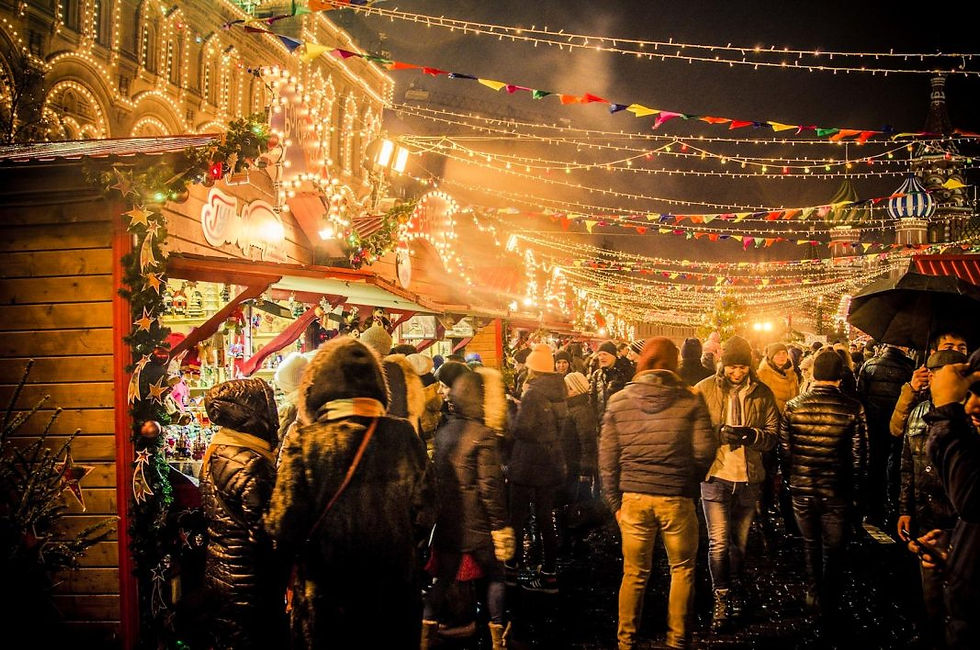
Light pollution occurs when artificial light brightens the night sky beyond natural levels. Scientists categorize it into several forms, including skyglow, glare, light trespass, and clutter. During the holiday season, decorative lighting can significantly increase nighttime brightness in residential areas and urban centers.
For astronomers, the effects are immediately visible. Artificial light scatters in the atmosphere, creating a glow that makes stars and planets more difficult to observe. In heavily developed regions, residents may see only a fraction of the stars that would normally be visible under dark skies. Researchers worry that growing light pollution is limiting opportunities for both professional astronomy and public engagement with the night sky.
The impacts extend far beyond stargazing.
Many animal species rely on natural cycles of light and darkness to regulate behavior. Migratory birds use celestial cues to navigate long-distance journeys, while nocturnal animals depend on darkness for hunting, feeding, and avoiding predators. Increased nighttime lighting can disrupt these behaviors, causing animals to become disoriented or altering migration patterns.
Scientists have observed that some birds become attracted to brightly lit areas, increasing the risk of collisions with buildings and other structures. Insects are also particularly sensitive to artificial light. Many species instinctively move toward bright sources, a behavior that can interfere with feeding, reproduction, and pollination. Because insects play important roles in ecosystems, disruptions to their populations can affect other species as well.
Researchers are also examining how artificial light influences human health. The human body operates according to circadian rhythms, internal biological clocks that regulate sleep, hormone production, and other physiological processes. Exposure to bright light at night can suppress the release of melatonin, a hormone that helps signal when it is time to sleep.
Although seasonal holiday displays are temporary, scientists note that they contribute to broader patterns of nighttime illumination. Some studies have linked chronic exposure to excessive nighttime light with sleep disturbances and other health concerns, though researchers continue to investigate these relationships.
Not all holiday lights have the same environmental impact. Advances in LED technology have made decorative lighting significantly more energy-efficient than older incandescent bulbs. LEDs consume less electricity and can reduce greenhouse gas emissions associated with power generation. However, environmental experts emphasize that energy efficiency does not eliminate concerns related to excessive brightness or prolonged nighttime exposure.
To reduce light pollution, organizations such as dark-sky advocacy groups encourage homeowners and communities to use timers, direct lights downward when possible, and avoid unnecessarily bright displays. These measures can help preserve nighttime environments while still allowing people to enjoy seasonal decorations.
For students interested in STEM, holiday lighting provides a clear example of how technology can produce both benefits and unintended consequences. A simple string of lights connects fields ranging from astronomy and ecology to engineering and human biology.
As communities celebrate the holiday season, researchers suggest that the goal is not to eliminate festive displays but to use them thoughtfully. The challenge, they say, is finding a balance between brightening winter nights and preserving the darkness that many species—including humans—depend on.
In a season known for its lights, scientists are reminding us that darkness also serves an important purpose.


Comments