


When a Red Square Becomes a Masterpiece
- Aug 3, 2025
- 2 min read
Updated: Jan 13
Written By: Khadeja Abdel Sattar
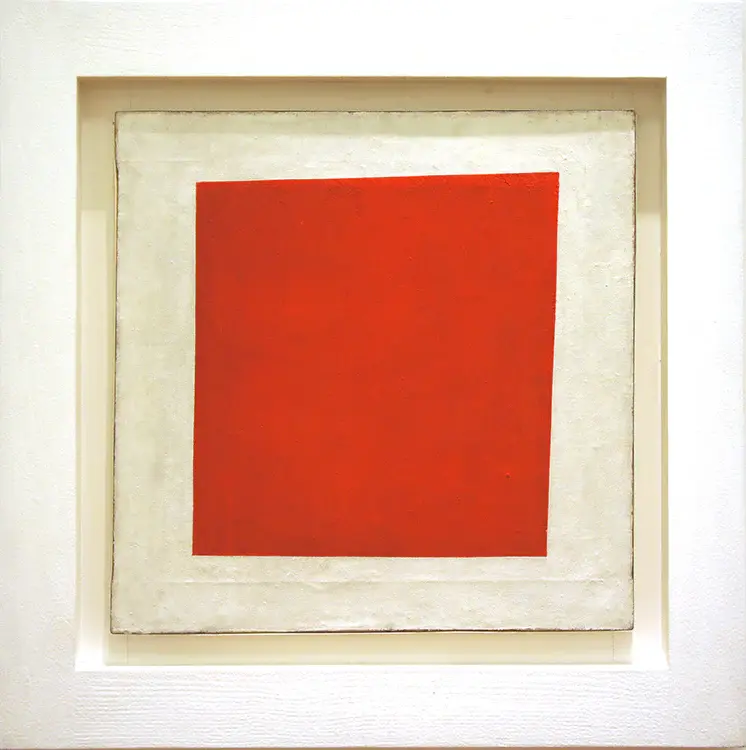
You enter any contemporary art gallery today and chances are you’ll be greeted by a solid colored canvas, a painted circle, or a stack of bricks on the floor labeled “installation”. Displayed as if the nation’s finest art and priced to the same level. The explanation: A winding paragraph about existentialism, power structures, or the “invisible labor of the observer”. At what point does interpretation become an excuse for a lack of skill?
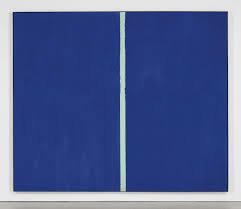
There are many modern artworks that are bold, boundary-pushing, and deeply meaningful. But increasingly, it feels like complexity and craftsmanship are being replaced with minimalism for minimalism’s sake. A canvas painted all blue may be “open to interpretation,” but is it challenging the viewer or just requiring them to do all the work?
Some argue this is where art was always heading: toward idea over execution, message over method. But it’s hard not to wonder whether this trend reflects something larger—a shift toward oversimplification in our culture. We scroll past headlines without reading, condense opinions into 10-second videos, and expect meaning to be immediately digestible. Is modern art mirroring that pace, offering the visual equivalent of fast food?
There’s also a strange elitism embedded in this simplicity. Ironically, the more “accessible” the art becomes in form, the more inaccessible it can feel in meaning. If you don’t “get it,” you’re seen as uncultured. But maybe the problem isn’t the viewer’s understanding—it’s the art’s lack of substance.
Art should provoke thought. It should surprise, disturb, challenge, or inspire. But it should also reflect some level of effort and intention. There’s a difference between abstraction and emptiness, between simplicity and laziness. This isn’t a call to return to Renaissance realism or to reject innovation. It’s a reminder that not all minimalism is meaningful—and not all meaning requires explanation. Sometimes, a red square is just a red square. And maybe, we should ask more of it.





Comments