


When the Decorations Come Down
- Jun 10
- 2 min read
By Khadeja Abdel Sattar
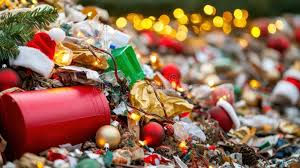
Each December, homes across the United States transform with twinkling lights, wrapped presents, artificial snow, and colorful decorations. For many families, decorating for the holidays is a cherished tradition. Yet as millions of people celebrate, environmental scientists are drawing attention to a less festive consequence of the season: a dramatic increase in waste.
The weeks surrounding Christmas generate some of the highest levels of household waste each year. According to environmental organizations, Americans produce millions of additional tons of garbage during the holiday season, much of it coming from gift packaging, wrapping paper, shopping materials, and discarded decorations.
While wrapping paper may appear recyclable, many types cannot be processed through standard recycling systems. Papers coated with glitter, metallic finishes, plastic films, or synthetic dyes often end up in landfills instead. Similarly, decorative ribbons, bows, and gift bags are frequently made from mixed materials that are difficult to recycle.
Holiday decorations themselves can also contribute to environmental challenges. Many inexpensive ornaments are manufactured from plastics that may take hundreds of years to break down. When damaged or discarded, these items often accumulate in landfills, where they can contribute to long-term waste problems. Over time, certain plastics may fragment into microplastics—tiny particles that can enter ecosystems and potentially affect wildlife.
The debate over Christmas trees presents another environmental question. Artificial trees can be reused for many years, reducing the need for annual purchases. However, most are made from plastic and metal components that require energy-intensive manufacturing processes and are difficult to recycle at the end of their lifespan.
Real trees, by contrast, are biodegradable and can often be composted or turned into mulch after the holidays. Yet they also require land, water, transportation, and agricultural resources to produce. Environmental researchers generally conclude that the most sustainable option depends less on the type of tree and more on how long it is used and how it is disposed of.
Another source of holiday waste comes from online shopping. The growth of e-commerce has led to an increase in cardboard boxes, plastic packaging, protective materials, and shipping emissions. While packaging helps protect products during transportation, researchers continue to investigate ways to reduce unnecessary materials without increasing product damage.
In response to these concerns, some communities have launched recycling programs specifically for holiday trees, lights, and decorations. Others encourage consumers to reuse gift bags, choose recyclable packaging, purchase durable decorations, and donate unwanted items rather than throwing them away.
For students interested in STEM, holiday waste offers an example of how environmental science intersects with everyday decisions. The products people purchase, use, and discard each season all have life cycles that affect natural resources, energy consumption, and waste management systems.
The holiday season is often associated with generosity and celebration. Increasingly, scientists suggest that sustainability can become part of that tradition as well. Small choices—such as reusing decorations, reducing unnecessary packaging, or properly recycling materials—may seem insignificant individually. Yet when multiplied across millions of households, those actions can have a meaningful impact.
As families pack away ornaments and remove decorations for another year, the environmental footprint of the holidays serves as a reminder that celebrations extend beyond the presents under the tree. They also leave lasting effects on the world around us.


Comments